


If you want to be a part of a new responsible movement and take your eco-footprint seriously, then read this Responsible Travel Guide for actionable tips on how to be kinder to the earth.
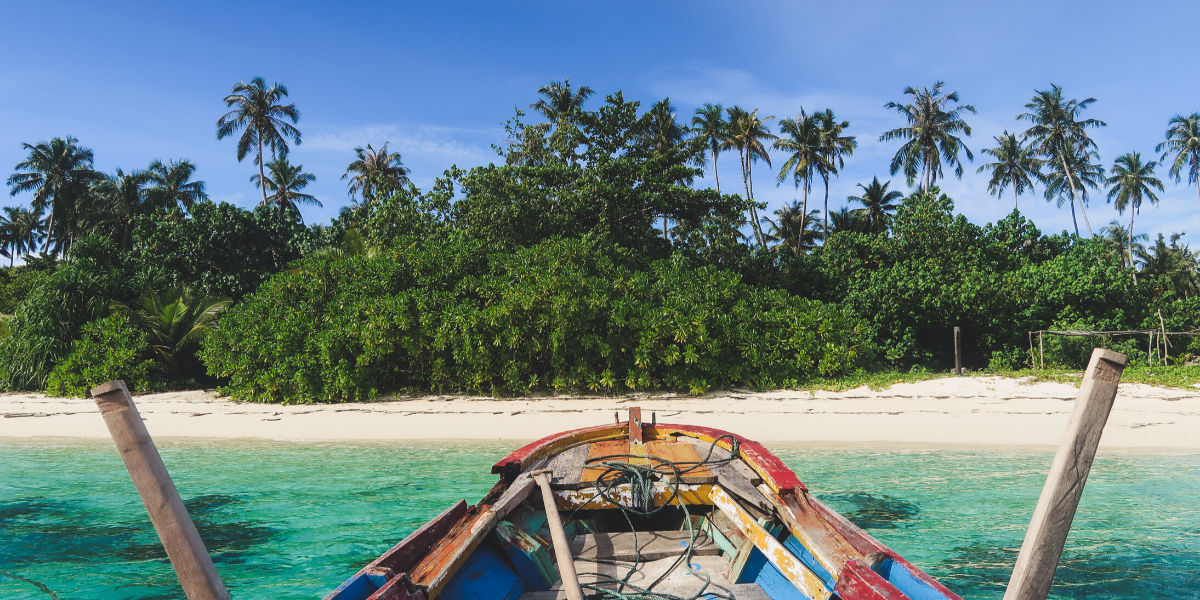
We are privileged to be a part of an era where travelling across vast oceans to meet stimulating new experiences, taste exquisite cuisine and engage with diverse culture is easily accessible and guided. Technology has simplified travel. Skyscanner finds you the cheapest flights, google maps shows you the way and local responsible travel agencies like The Seven Holiday ensure you are treated with excellent service and outstanding luxury accommodation while adhering to responsible travel practices. By taking action and being conscious of the way in which you travel and how you spend your money during your travel in Bali & Indonesia will make a huge impact on the local community and preservation of the environment.
We have all come to love travel and be inspired by it daily, however many of us are simply unaware of how it can negatively affect the environment, economy and society through irresponsible acts of pollution, overcrowding, local exploitation and unethical activity with animals. This can be lessened by travelling with a conscious mindset, changing your perspective, educating yourself and taking the correct steps and measures when planning your next big trip! We cannot support flying as it is a huge environmental threat, however if you are going to travel then it is best to use your time to positively impact the locals of the country you are visiting, specifically in their culture, economy and ways of life.
This responsible travel guide will ensure you are kitted with the most actionable tips so that you can feel informed to make a difference when travelling to Indonesia!
1. How do you travel responsibly in Bali and Indonesia?
People tend to spend lavishly and over indulge whilst on their holiday which results in them being less considerate and treating the earth unkindly. In order for you to not fall into this category it is important to educate yourself and make a conscious effort to adhere to responsible ecotourism, as it is essential when respecting others countries and taking care of the planet. Below are numerous responsible travel tips to individually take note of, when you are on your travels.
Less plastic. Say no to single use plastic products. Unfortunately some restaurants, shops and cafes are still unaware of how single use plastic can impact the world. Ask for no straw. Reuse plastic bottles and stop using plastic toiletries. If every traveller does this, the use of plastic will become redundant.

Shop locally. Whether it be groceries, fashion or souvenirs. Share your money with the community and it will thrive. Allow for small businesses to succeed and to feel your holiday experience has been authentic.
Think before taking part in wild life activities. For many years, animals have been used for human entertainment. We need to rethink this cruel concept and take care of our animals by viewing them in the wild, from afar. This includes declining offers to visit zoos, marine parks and any other aquarium where dolphins, sharks and whales are kept in captivity.
Less waste. Make a conscious effort to eat in, say no to plastic bags, recycle when you can, use reusable containers and go paperless!
Respect the locals. When travelling to a new country remember you are entering someone else's home. Taking into account their morals, etiquette and customs is imperative to keeping a steady and peaceful relationship between locals and tourists.

Lower your ecological footprint. Instead of travelling by car, jump on a bus. Instead of travelling by bus, rent a bicycle for shorter distances and if you really can walk, then this is the best way to reduce your ecological footprint. Not only will you have an impact on the world, but when walking you will have a greater experience of the area and notice more on your adventures.
Bargain fairly. We all love a good bargain, but pushing the price to a point where buying the product or service is only beneficial for you is selfish and does not help the local individual or business and local economy at all. Be fair when bargaining.
Refrain from giving to beggars. By doing this, you are in actual fact supporting and encouraging locals to keep begging. They often involve their children and build businesses around poverty, begging, which can eventually lead to prostitution. If you want to help in some shape or form, buying them food and water would be a better option.
Make others aware of travelling responsibly. Reach out to others. Share articles about responsible travel, bring the topic up in conversation and encourage your fellow travel buddies to engage in these responsible tourism action steps.
Eat locally. Not only is Indonesian cuisine at local warungs mouth wateringly delicious, the food is cheap and supports a local community of individuals and businesses, directly having a positive impact as opposed to spending money at chain stores, which in the grand scheme of things only ensures CEOs get their paycheck at the end of the month.

Respect dress codes. Indonesia is home to many religions that have a strict dress code. When visiting areas of religious significance such as a temple, it is essential to dress modestly and not bare too much skin. Be sure to cover the knees and shoulders.
Try speak the local language to show effort. Showing effort by learning some simple phrases in the local language will earn you brownie points. Not only are you showing interest, but you are showing respect too.
Practise slow travel. So many travellers find themselves racing around the country, binging on as many activities and places to visit as possible. They see an urge to maximise their time. Slowing your travel down, being present and enjoying each experience to its fullest will prove to be much more rewarding and enriching. This will ensure you remain aware of your responsible travel rules and truly appreciate every memory made.
Be kind to fellow travellers and locals. Being good to others around you when you are on your adventures will keep relationships strong, allowing other travellers and locals to remain inviting and generous, inspiring a harmonious travel culture.
Practise ethical photography by asking permission to take a photo before snapping away. Remember that what may seem like public space, can be considered private space too. Flash photography around animals is cruel.
Do not litter! Pollution seems to be naturally blamed on tourists who come to Bali and ¨don´t care.” Littering is unacceptable and in some countries is considered a chargeable crime. Harming the environment and those who live in it is not only irresponsible but devastating.
Choose responsible tour operators. Bali and Indonesia are swarming with tour operators, as tourism is a huge economically viable industry. Because of this, some tour operators are not trained efficiently and / or do not follow the correct protocol when guiding tourists. This is largely disrespectful and can have a negative effect on the environment and wildlife.
Choose eco friendly accommodation. Because the world is slowly changing and there are more sustainable accommodation options in Bali and Indonesia, it is easier to make the right choice. These establishments support the local communities by donating to charities, providing employment to locals, and providing local assistance wherever they can.
Do not drink Civet / Kopi Lowak coffee. This coffee is made from the process of the civet cat eating and digesting the coffee bean. These cats are over exploited and the coffee is sold at a high price. It is not ethical nor responsible to support drinking this coffee.
Use Responsible travel Agencies. Travel agencies such as The Seven Holiday are serious about responsible travel and should have a responsible business policy at hand. They will recommend hotels, tours, restaurants and activities that are fully compliant with the above protocol.
2. Why is it important to travel responsibly?
When you travel, you are in fact entering someone else's home. With this being said, etiquette in one country can be very different to another and so these cultural differences can create an invasive and damaging impact. Responsible travel protocol aims to provide a solution by reducing environmental impact, eliminating resentment between locals and travelers and promoting a “give back” mentality for the locals in the place you are visiting. However, if one travels responsibly it can have a huge positive impact for both the traveler and the local. This is necessary to keep harmony and build strong relationships between the two.
Traveling responsibly boosts and improves the success of the community that you are visiting as local businesses are supported and given the chance to thrive. When choosing local, as opposed to large foreign chain businesses, you are indirectly creating much needed jobs and providing healthy income for the natives. Spending your money on local experiences and local tour operators preserves the current and future culture of the country by protecting long standing traditions and the rich heritage. Respecting the locals and the beautiful place they have built will only make your experience deeper, more authentic and more fulfilling. If it wasn't for them and their home, you wouldn't be having such a wonderful holiday!

Travelling by aeroplane has an unfortunately negative impact on the environment contributing to a large portion of the planet's carbon emissions and this is why we need to be responsible in every other aspect when we travel to make up for it. Traveling lightly by paying attention to our ecological footprint through reducing, reusing and recycling will play a role in eliminating waste and conserving the natural ecosystem.
Wildlife tourism is an extremely important revenue stream for an economy, as well as a beautiful tool for teaching conversation and bringing humans and animals closer. Being responsible when engaging with wildlife will prevent damage and harm. This can easily happen if one does not understand the consequences of their actions. Educating yourself about the wildlife practises in the area you are visiting will hugely benefit and positively impact the future of that country's ecosystem.
3. What is the difference between sustainable tourism and responsible travel?
Responsible travel and sustainable tourism both have the same goal and mission to create awareness and ensure travel is done so in a way that reduces the negative effects of travel. The difference is the implementation. Responsible travel focuses on the actions small businesses and individuals can take, while sustainable tourism focuses on government and larger business influence. Responsible travel aims to encourage positive social economic and environmental impact through conscious choices made by travellers, locals, tour operators, hotels and travel agencies; whereas sustainable tourism aims to motivate the change in policies that fund poverty, employment and social protection in the countries being travelled to. The two concepts go hand in hand, and travel agencies should be operating both sustainably and responsibly.

4. Why should you choose to travel responsibly with us?
The Seven Holiday has strong root ties with the local communities, local vendors and local tour operators within Bali and Indonesia. Creating a courteous and happy relationship between the guest and service staff is an extremely important element in the ethos of our travel agency. Employees and customers must have a mutually beneficial encounter, enjoying the time they share together. We are devoted to supporting local business as it provides our guests with an authentic experience. This natural synthesis of happy customer, happy employee makes for an incredible vacation and fulfilled experience for both parties. By using native professionals, we have impacted positively on the success of these businesses and individuals as well as the creation of jobs for many. We promote local craft makers and artisans by guiding our customers to the most authentic masters of their trade on the Heart of Bali Tour. We promote cultural activities on almost all of our tours by revealing ancient architecture, sacred temples and heritage sites to our travellers. This dive into the Balinese and Indonesian culture elicits a natural respect for the natives and the home in which they have created and shared with you. With responsibility, comes a high level of respect. Our travellers have been notified and our employees trained to respect the country through actionable ways to reduce pollution, reduce waste and protect the wildlife.

5. Why is the Romantic Escape Honeymoon Package the most responsible travel honeymoon you can treat yourself to?
The Romantic Escape package is the most secluded, eco-friendly honeymoon package we have and the entire trip is focused around making a strong social, economic and environmental impact on Bali and its community. You will be staying in the most authentic, eco-friendly resorts within 4 different regions in Bali. The regions are less crowded, giving you a naturally beautiful and truly peaceful experience with your loved one. To name one, the eco- committed Puri Dajuma Resort implements eco-conscious policies such as energy saving, recycling, social staffing policies, organic waste composting, green procurement and no plastic straw usage (bamboo instead). You and your partner will engage in nature through activities such as kayaking, swimming and snorkelling with vibrant marine life. A visit to the Menjangan island (which is not accessible to cars) on an authentic wooden boat will expose you to rare wild deer. Possible sightings of this species will be viewed in the wild and from a far, adhering to responsible travel etiquette. This island lies within the West National Park ( also known as the Bali Barat National Park) in Bali, Indonesia, which is protected, promoting the conservation of Bali flora, fauna and wildlife. By using local tour operators for canoe boat rides and trips to the Munduk Waterfall, and local experts for home cooking classes and an authentic spa masseuse, we support local business success and promote job creation. You and your partner will be exposed to traditional Balinese culture and tradition by visiting the Mountain village of Tirta Gangga water temple as well as Lempuyang temple. To top your honeymoon off, a candlelit dinner on the beach will bring you closer to nature with the sound of the ocean in your ears and the feeling of sand between your toes. Although you will be fed tasty cuisine within the resorts that you are staying in, you will also be encouraged to visit recommended local restaurants for authentic dining. For more information on responsible travel family holidays and responsible travel adventure holidays contact us.
Our Policy
I. Economic Responsibility
-
We provide business opportunities and employment for the local people of Indonesia, by hiring local guides and training them. This local and passionate insight is imperative to the overall experience of our customers.
-
All our employees are fairly paid.
-
We make our customers aware of opportunities to support any local initiatives, charities and businesses.
-
We promote and support local authentic craft makers and trade professionals. This boosts their pride and sales.
-
The accomodation we partner with are committed to responsible travel etiquette.
-
II. Social Responsibility
-
We respect the local religion, culture and traditions through educating our guests.
-
We train our tour guides to provide our guests with local Balinese and Indonesian phrases to immerse themselves in the culture and have the ability to ask locals questions when needing assistance.
-
Many activities on our tours provide cultural awareness, such as natural wander tours and temple visits.
-
We encourage guests to eat locally on parts of their tour that allow flexibility. This supports the local community and exposes the delicious local Indonesian cuisine.
-
We educate our guests about the traditional religious holidays and respect these local customs.
-
III. Environmental Responsibility
-
We make sure to educate our tour operators, local guides and guests on environmental and wildlife awareness within Bali and indonesia.
-
Ocean Protection rules are adhered to amongst all employees and guests.
-
We reduce waste and single plastic use as much as possible.
-
We have a no toleration pollution policy and ensure our guests adhere to this.
-
Personal Travel Responsibility
What one must bear in mind is that all the external responsible travel components may be in place, however the most fundamental element to consider when adhering to responsible travel protocol is personally remaining committed to implementing solo actions when planning and experiencing new countries.
We hope this article will help you look at travel with a new perspective. If you want your vacation in Indonesia based solely on these responsible principles, let our Travel Expert know this in your inquiry.